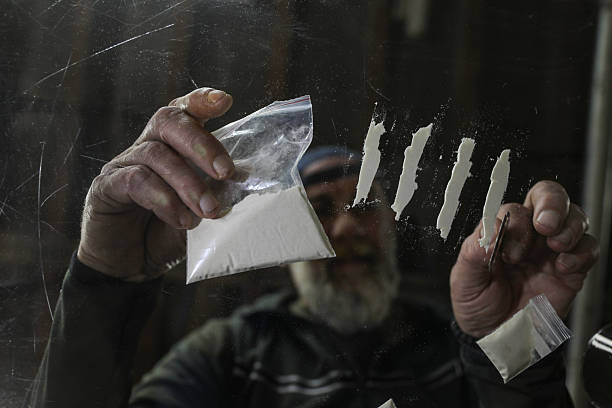
After Years of Heroin Use, Where Do You Begin? A Guide to Rebuilding Your Life Through Recovery
After years of heroin use, the idea of starting over can feel overwhelming. Addiction may have affected your physical health, mental well-being, relationships, finances, and confidence in your ability to make lasting changes. You may wonder whether it is possible to rebuild your life after so much time has passed. The answer is yes. Recovery does not require you to fix everything at once. It begins with getting the right support, addressing the effects of addiction, and taking manageable steps toward a healthier future. With professional heroin addiction treatment and a personalized recovery plan, you can begin rebuilding your life one decision at a time.
Understanding the Effects of Long-Term Heroin Use
Heroin is an opioid that affects the brain’s reward system and can lead to physical dependence. Over time, repeated use can make it increasingly difficult to manage cravings, stress, and everyday responsibilities without the substance.
Long-term heroin use can affect several areas of life, including:
- Physical health: Changes in sleep, appetite, energy, and overall health may develop. Some people also experience complications related to injection drug use.
- Mental health: Depression, anxiety, emotional distress, and difficulty managing stress can occur alongside opioid addiction.
- Relationships: Secrecy, broken trust, and conflict can create distance between family members and friends.
- Financial stability: The cost of maintaining substance use can contribute to debt, employment difficulties, and housing problems.
- Personal confidence: Repeated attempts to stop using may leave individuals feeling discouraged or uncertain about their future.
Recognizing these effects is not about assigning blame. It helps identify the areas that need attention during recovery. A comprehensive treatment plan should address more than heroin use alone.
Step 1: Ask for Professional Heroin Addiction Treatment
The first step after years of heroin use is seeking an appropriate clinical assessment. Trying to manage opioid dependence without professional guidance can create unnecessary risks, especially when withdrawal symptoms or other health concerns are present.
A treatment professional can evaluate your substance use history, physical health, mental health, previous treatment experiences, and current living situation. This information helps determine the level of care that best fits your needs.
Why Medical Support Matters During Withdrawal
Heroin withdrawal can cause muscle aches, sweating, nausea, vomiting, diarrhea, anxiety, restlessness, and intense cravings. Although opioid withdrawal is not usually fatal by itself, complications such as dehydration and existing medical conditions can make the process more dangerous.
Medical supervision can help manage symptoms and reduce risks. Treatment providers may also discuss medications for opioid use disorder, including buprenorphine or methadone. Naltrexone may be an option for some people after they have completed the required opioid-free period.
These medications are evidence-based treatment options. A qualified clinician should determine whether they are appropriate and provide ongoing monitoring.
If you suspect someone is experiencing an opioid overdose, call emergency services immediately. Administer naloxone if available and follow emergency instructions.
Step 2: Choose the Right Level of Addiction Care
After an initial assessment, the next decision may involve choosing between inpatient and outpatient heroin rehab. Both approaches can support recovery, but they provide different levels of structure and supervision.
Inpatient Heroin Rehab
Inpatient or residential treatment allows individuals to stay at a treatment facility while receiving structured care. This environment can reduce exposure to everyday triggers and provide more consistent support.
Inpatient treatment may be appropriate for people who:
- Have experienced repeated relapses.
- Need medical supervision or a highly structured environment.
- Have significant mental health or physical health concerns.
- Live in an environment where heroin use is difficult to avoid.
- Need time away from daily pressures to focus on recovery.
Depending on the facility, services may include medical care, individual counseling, group therapy, mental health treatment, and relapse prevention planning.
Outpatient Heroin Rehab
Outpatient treatment allows individuals to attend scheduled therapy sessions and clinical appointments while continuing to live at home. It may be suitable for people who have a stable living environment and can manage their recovery needs with less intensive supervision.
Outpatient services can include individual counseling, group therapy, medication management, family support, and ongoing recovery education.
Some people also transition from inpatient treatment to outpatient care as their stability improves. The most appropriate option depends on a professional assessment, not simply personal preference or convenience.
Step 3: Address Mental Health Alongside Addiction
Recovery after years of heroin use often involves understanding the emotional difficulties that may have contributed to substance use or developed during addiction.
Some individuals used heroin to cope with trauma, anxiety, depression, grief, or overwhelming stress. Others experience mental health symptoms that become more noticeable after stopping drug use.
Treating addiction without addressing these concerns can leave important recovery needs unresolved.
The Importance of Integrated Mental Health Treatment
Integrated treatment addresses substance use and co-occurring mental health conditions as part of one coordinated plan. Depending on individual needs, this may involve:
- Individual therapy to explore emotional concerns and behavioral patterns.
- Cognitive behavioral therapy to develop healthier responses to difficult thoughts and situations.
- Trauma-informed counseling when past experiences affect current well-being.
- Psychiatric evaluation and appropriate medication management.
- Group therapy to build communication skills and reduce isolation.
Mental health treatment can help individuals recognize emotional triggers, improve stress management, and develop healthier ways to respond to difficult experiences.
Step 4: Rebuild Daily Routines and Healthy Habits
After years of heroin use, everyday routines may feel unfamiliar. Sleep schedules, meals, personal responsibilities, and relationships may have become inconsistent. Rebuilding these habits can provide structure and help restore a sense of control.
Start with realistic goals rather than trying to change everything immediately.
Create a Manageable Daily Routine
A simple routine might include:
- Waking up and going to bed at consistent times.
- Eating regular, balanced meals.
- Attending scheduled treatment sessions.
- Including gentle physical activity when medically appropriate.
- Setting aside time for rest and reflection.
- Staying connected with supportive people.
These habits may seem small, but consistency can make a meaningful difference. They also create opportunities to practice responsibility and recognize personal progress.
Learn Healthier Ways to Manage Stress
Stress can increase cravings, particularly when someone is adjusting to life without heroin. Developing practical coping strategies is therefore an important part of relapse prevention.
Depending on personal preferences and clinical guidance, helpful activities may include walking, journaling, breathing exercises, mindfulness, creative hobbies, and spending time with supportive people.
The goal is not to eliminate every difficult emotion. Instead, it is to develop healthier ways to respond when those emotions arise.
Step 5: Repair Relationships and Rebuild Trust
Heroin addiction can place significant pressure on families and friendships. Loved ones may feel hurt, disappointed, worried, or uncertain about what to expect. Rebuilding these relationships takes patience and consistent action.
Focus on Honesty and Accountability
Trust is rarely restored through promises alone. It develops through repeated actions over time.
You can begin by communicating honestly, respecting boundaries, following through on commitments, and acknowledging the effects of past behavior. Family counseling may also help everyone discuss concerns in a structured and supportive setting.
Loved ones should understand that supporting recovery does not mean ignoring harmful behavior or taking responsibility for another person’s choices. Healthy boundaries can protect everyone involved.
Step 6: Explore Holistic and Faith-Based Support
Medical treatment and evidence-based counseling are central to heroin addiction recovery. However, some individuals also benefit from complementary practices that support emotional well-being, personal values, and a sense of purpose.
Holistic approaches may include mindfulness, physical activity, nutrition education, relaxation practices, and creative activities. These can support general well-being when included in an appropriate treatment plan.
Faith-based support may also offer encouragement to people who draw strength from spirituality or religious beliefs. Prayer, spiritual counseling, and connection with a faith community can help some individuals find meaning and motivation during difficult periods.
These approaches should complement, rather than replace, medical care, medication when indicated, and professional mental health treatment.
Step 7: Build a Long-Term Recovery and Relapse Prevention Plan
Recovery does not end when a person completes detox or leaves a residential treatment program. Long-term progress depends on continued support and preparation for the challenges that may arise.
A relapse prevention plan should identify personal triggers, warning signs, and practical steps for responding to cravings.
Know Your Triggers
Common triggers may include:
- Spending time with people associated with previous heroin use.
- Visiting places connected to substance use.
- Experiencing conflict, loneliness, or financial stress.
- Facing untreated anxiety, depression, or trauma symptoms.
- Having too much unstructured time.
Recognizing these situations makes it easier to prepare healthier responses.
Stay Connected to Recovery Support
Ongoing counseling, support groups, medication treatment when appropriate, and regular clinical appointments can help maintain progress. It is also useful to identify trusted people who can provide encouragement when challenges arise.
If a return to heroin use occurs, seek professional help promptly. A recurrence does not erase previous progress, but it does require attention. Because opioid tolerance can decrease during periods without use, returning to a previously used amount can increase overdose risk.
Rebuilding Your Life Starts With One Step
After years of heroin use, rebuilding your life may involve many changes, but you do not have to make them all at once. Start by seeking professional help, understanding your treatment options, and addressing both physical and mental health needs. From there, you can work toward healthier routines, stronger relationships, and a more stable future.
The right heroin addiction treatment plan should reflect your personal circumstances, recovery goals, and level of care needed. Whether inpatient or outpatient treatment is appropriate, consistent support can help you develop the skills and confidence to move forward.
If heroin use has affected your life or someone you care about, do not wait until every problem feels manageable before asking for help. Reach out to a qualified treatment professional and discuss the options available. Recovery can begin today, and your past does not have to determine what comes next.
