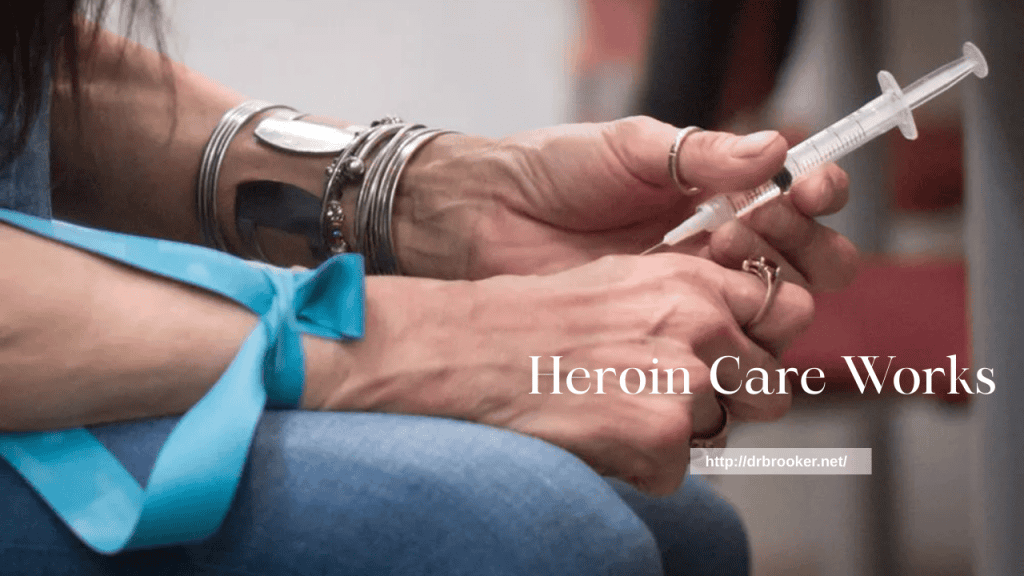
Heroin addiction is a complex condition that affects every part of a person’s life. Breaking free requires more than willpower alone. It takes a comprehensive treatment approach that addresses the body, mind, and spirit. From the first stage of detox to long-term aftercare, heroin recovery is a journey that requires professional guidance, compassionate support, and personalized care. Understanding how comprehensive heroin treatment works can help individuals and families take the first step toward lasting freedom.
The Importance of a Full-Spectrum Approach
Addiction is not simply a physical dependency. It often stems from underlying mental health challenges, trauma, or emotional pain. A comprehensive care model ensures that treatment does not stop once withdrawal symptoms fade. Instead, it provides continuous support that promotes physical healing, emotional stability, and long-term relapse prevention.
Stage One: Medical Detox
What Detox Involves
Detox is the starting point for most people entering heroin recovery. This process focuses on safely eliminating heroin and other toxins from the body. Because withdrawal symptoms can be intense, including restlessness, nausea, anxiety, and cravings, medical supervision is essential.
Why Professional Detox Matters
Attempting detox alone can be overwhelming and unsafe. At a professional treatment center, medical staff provide round-the-clock monitoring, administer medication-assisted treatment when appropriate, and offer encouragement throughout the process. This sets the stage for a smoother transition into the next phase of care.
Stage Two: Rehabilitation Programs
Inpatient Rehabilitation
Inpatient rehab offers an immersive, structured environment where clients live on-site and focus fully on recovery. Daily therapy sessions, peer support, and holistic activities create a foundation for meaningful change. This type of program is especially effective for individuals with severe addictions or unstable living environments.
Outpatient Rehabilitation
For those who need flexibility, outpatient care provides structured therapy and counseling while allowing clients to remain at home. Outpatient programs are often recommended for individuals with strong family support or for those stepping down from inpatient care.
Stage Three: Holistic and Individualized Healing
Comprehensive heroin treatment looks beyond the addiction itself. Holistic care options, such as mindfulness practices, fitness programs, art therapy, and nutritional support, help restore balance and strengthen resilience. Faith-based programs also provide spiritual renewal and guidance for those who value that approach. Individualized care ensures that each person receives a plan tailored to their unique needs, history, and goals.
Stage Four: Long-Term Sobriety and Aftercare
Why Aftercare Is Essential
Sobriety is not a one-time achievement. It requires ongoing support and tools to handle life’s challenges without turning back to heroin. Aftercare may include counseling, peer support groups, relapse prevention training, and sober living homes.
The Role of Family and Community
Families are an integral part of recovery. Family therapy, education, and involvement in the healing process can rebuild trust and strengthen relationships. Community connections also provide encouragement and accountability, helping individuals stay on track for the long term.
Your Path to Healing Starts Here
Heroin recovery is not a quick fix. It is a journey that begins with detox, continues through rehabilitation, and grows into long-term sobriety with ongoing support. With professional care, holistic healing, and faith-based guidance, it is possible to break free and build a healthier, more fulfilling life.
If you or someone you love is struggling with heroin addiction, now is the time to seek help. Compassionate, comprehensive treatment can provide the tools needed for lasting recovery. Freedom is possible, and your journey can begin today.
