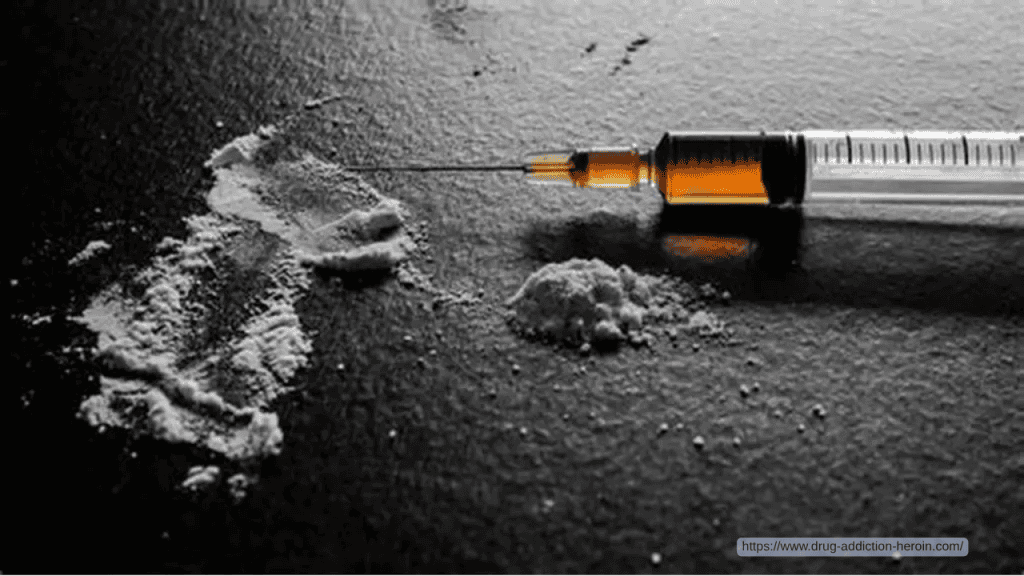
Recovery from heroin addiction begins with detox, but true healing extends far beyond the physical process of withdrawal. Detox helps the body clear itself of harmful substances, but long-term recovery requires emotional rebuilding, mental healing, and lifestyle transformation. Creating a life free from heroin means developing new skills, rediscovering purpose, and learning to live with resilience and hope.
At Drug-Addiction-Heroin.com, recovery is not just about stopping drug use—it is about helping individuals reclaim their lives through compassionate, evidence-based, and holistic care.
Detox: The First Step to Freedom
Why Detox Alone Is Not Enough
Detox is often seen as the start of recovery, and for good reason. It helps individuals safely manage withdrawal symptoms while cleansing the body of heroin. However, detox alone does not address the psychological and emotional roots of addiction. Without further treatment, many people relapse because the underlying triggers and behaviors remain unresolved.
The Role of Medical Supervision
In a supervised detox program, healthcare professionals monitor symptoms and provide medications when necessary to ease discomfort. This step prepares the individual for the deeper work of therapy, counseling, and rebuilding their life after detox.
Rehabilitation: Healing the Mind and Spirit
Therapy and Counseling for Deeper Recovery
After detox, rehab programs help individuals understand what led to their addiction and how to build healthier coping mechanisms. Individual therapy offers a private, safe space to explore emotional pain, trauma, and stressors. Group therapy, on the other hand, helps clients connect with others who share similar experiences, promoting accountability and understanding.
Faith-Based and Holistic Healing
Holistic and faith-based approaches play an essential role in sustainable recovery. They focus on healing the whole person—mind, body, and spirit—through mindfulness, exercise, nutrition, and spiritual growth. Whether it’s yoga, meditation, or faith-based support, these methods nurture inner peace and emotional balance.
Inpatient and Outpatient Programs: Choosing What Works Best
Every recovery journey is unique. Some people benefit from the structured environment of inpatient care, where they can focus entirely on healing without outside distractions. Others may thrive in outpatient treatment, which provides flexibility for work, school, or family responsibilities.
Personalized Treatment Plans
Effective heroin recovery programs tailor each plan to the individual’s specific needs. This may include medication-assisted treatment (MAT), cognitive-behavioral therapy (CBT), trauma-informed care, and family counseling. Personalization ensures that every aspect of recovery is addressed, from physical health to mental and emotional stability.
Life After Rehab: Maintaining Long-Term Sobriety
Aftercare and Support Networks
Recovery does not end after leaving a rehab center. Aftercare programs and ongoing counseling provide continued guidance and accountability. Support groups, mentorship programs, and alumni networks help individuals stay connected and motivated in their recovery journey.
Rebuilding Purpose and Identity
A key part of life beyond heroin is rediscovering purpose. This could mean pursuing education, employment, volunteering, or creative expression. Many people find new meaning in helping others who are struggling, turning their past pain into a source of strength and empathy.
Embracing a New Beginning
Recovery is not about perfection—it is about progress and persistence. Building a future without heroin involves patience, self-compassion, and continuous support. With professional treatment, emotional healing, and a strong community, it is possible to live a fulfilling and sober life.
If you or someone you love is struggling with heroin addiction, help is available. Reach out to Drug-Addiction-Heroin.com today to take the first step toward lasting recovery. A future free from heroin is not just a dream—it can be your reality.
