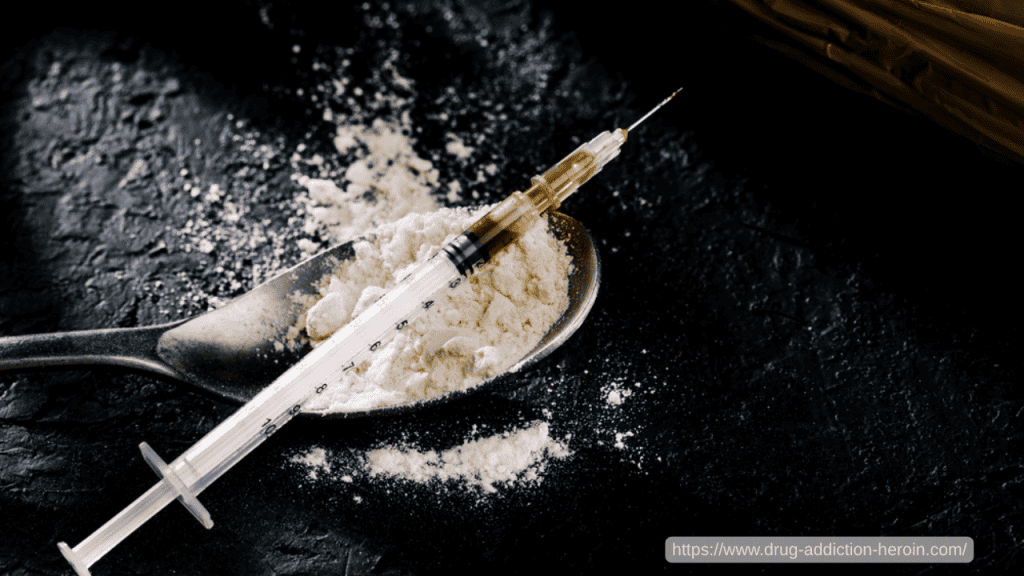
Choosing to seek help for heroin addiction is one of the most important decisions a person can make. The road to recovery is not always easy, but with the right treatment and support, lasting freedom is possible. Heroin treatment involves more than overcoming withdrawal. It is a comprehensive process that addresses the physical, emotional, and spiritual challenges of addiction. By understanding each stage of care, individuals and families can feel more confident about what recovery truly looks like.
Taking the First Step: Admitting the Need for Help
Recovery begins with acknowledgment. For many, admitting the need for professional help feels overwhelming, but it is a critical first step. Heroin addiction affects not only the body but also the mind, relationships, and overall well-being. Recognizing this reality opens the door to healing and sets the foundation for a structured treatment plan.
Detox: Restoring the Body
Why Supervised Detox Matters
Detox is the stage where heroin and other harmful substances are removed from the body. Withdrawal symptoms can be intense and may include insomnia, nausea, sweating, and severe cravings. Attempting detox alone often leads to relapse or health complications. A supervised medical detox ensures that clients are safe, supported, and stabilized during this process.
Managing Withdrawal with Compassion
Medical professionals provide medications and emotional care to reduce discomfort and cravings. This compassionate approach not only protects the body but also prepares individuals for the deeper work of therapy and counseling.
Therapy: Healing the Mind and Spirit
Individual Counseling
One-on-one therapy helps uncover the root causes of addiction, such as trauma, stress, or co-occurring mental health conditions. These sessions guide clients toward healthier coping strategies and self-understanding.
Group Support
Group therapy fosters connection and community. Sharing experiences with others who understand the struggle builds confidence and reduces isolation.
Holistic and Faith-Based Care
Heroin treatment is most effective when it considers the whole person. Holistic services like nutrition planning, exercise, and mindfulness strengthen the body and mind. Faith-based counseling, available to those who seek it, adds another layer of support by addressing spiritual renewal and hope.
Rehab Options: Inpatient and Outpatient Care
Inpatient Treatment
Inpatient programs provide 24/7 care in a safe and structured environment. This option is often recommended for those with severe addictions or unstable home environments.
Outpatient Treatment
Outpatient programs offer flexibility, allowing clients to continue daily responsibilities while attending therapy and counseling sessions. This option works well for those with strong support systems at home.
Life After Treatment: Building Lifelong Freedom
Aftercare and Relapse Prevention
Recovery does not end after rehab. Ongoing aftercare, including counseling, support groups, and relapse prevention planning, plays a vital role in maintaining sobriety.
Family and Community Support
Strong family relationships and supportive communities are key to long-term recovery. Many treatment centers offer family therapy and education to help loved ones heal together.
A Path Toward Hope and Healing
Heroin treatment is a step-by-step journey that begins with asking for help and continues through detox, therapy, and long-term aftercare. Every stage matters, and every effort brings new opportunities for healing. With the right care, freedom from addiction is not just possible—it is achievable.
If you or a loved one is struggling with heroin addiction, now is the time to take the first step. Professional treatment centers offer the medical care, counseling, and holistic support needed to build a healthier, sober future. Reach out today and begin the path toward lifelong freedom.
