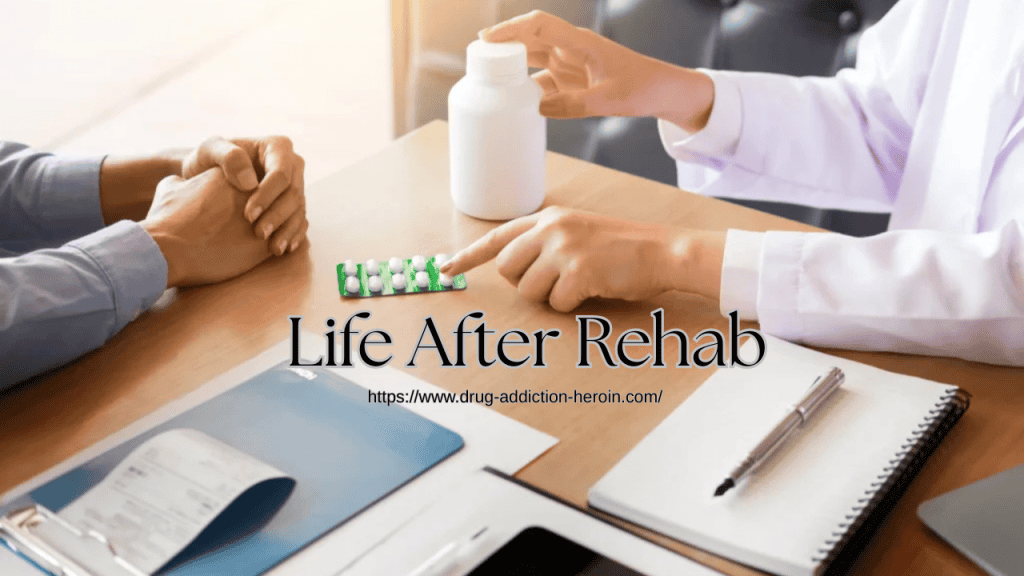
Heroin addiction can feel like a never-ending battle, but recovery is possible with the right support and treatment. The healing process involves more than just breaking physical dependence. It requires addressing emotional struggles, rebuilding relationships, and creating a foundation for lifelong sobriety. By understanding each stage of treatment—detox, therapy, and life after rehab—individuals and families can approach recovery with confidence and hope.
Detox: The First Step to Healing
What Detox Really Means
Detox is the beginning of recovery. This stage focuses on safely clearing heroin and other substances from the body. Withdrawal symptoms often include restlessness, insomnia, nausea, muscle aches, and strong cravings. These symptoms can be difficult to manage alone, which is why supervised detox is essential.
The Role of Medical Support
In a professional treatment setting, detox is closely monitored by medical staff. Medications may be used to ease discomfort, reduce cravings, and stabilize the body. Emotional support is also provided, helping individuals move through this stage with greater safety and dignity. Detox prepares clients physically and mentally for the next phase of treatment.
Therapy: Addressing the Root Causes
Individual and Group Counseling
Therapy is at the core of heroin recovery. Individual counseling gives clients a safe space to explore the causes of addiction, such as trauma, stress, or mental health challenges. Group therapy builds community and provides encouragement from peers who share similar experiences.
Mental Health Treatment
Many people who struggle with heroin addiction also face co-occurring conditions like depression or anxiety. Dual diagnosis treatment addresses both issues at the same time, ensuring clients gain the tools to manage life without returning to drug use.
Holistic and Faith-Based Approaches
Holistic therapies, such as mindfulness practices, exercise, nutrition counseling, and creative outlets, help restore balance and strengthen resilience. For those seeking spiritual renewal, faith-based counseling and community support provide additional encouragement and meaning in recovery.
Life After Rehab: Building Long-Term Sobriety
Aftercare Planning
Leaving rehab is not the end of recovery. Aftercare programs create a roadmap for continued success. These may include ongoing counseling, relapse prevention strategies, and peer support groups like Narcotics Anonymous. Some individuals also benefit from transitional sober living environments that provide structure and accountability.
The Importance of Support Systems
Family and community support are critical to long-term success. Family therapy and education help rebuild trust, strengthen relationships, and equip loved ones to provide healthy encouragement. A strong support network provides the stability needed to maintain sobriety.
A Journey of Transformation
The healing process from heroin addiction is a journey that unfolds step by step. Detox cleanses the body, therapy heals the mind, and aftercare builds the foundation for a brighter future. Each stage is essential and interconnected, creating a comprehensive path toward lasting recovery.
If you or a loved one is struggling with heroin addiction, know that healing is possible. Professional treatment centers provide the medical care, emotional support, and holistic resources needed to break free. Take the first step today and begin the journey from addiction to lasting wellness.
